What is the UV Test Cabinet?
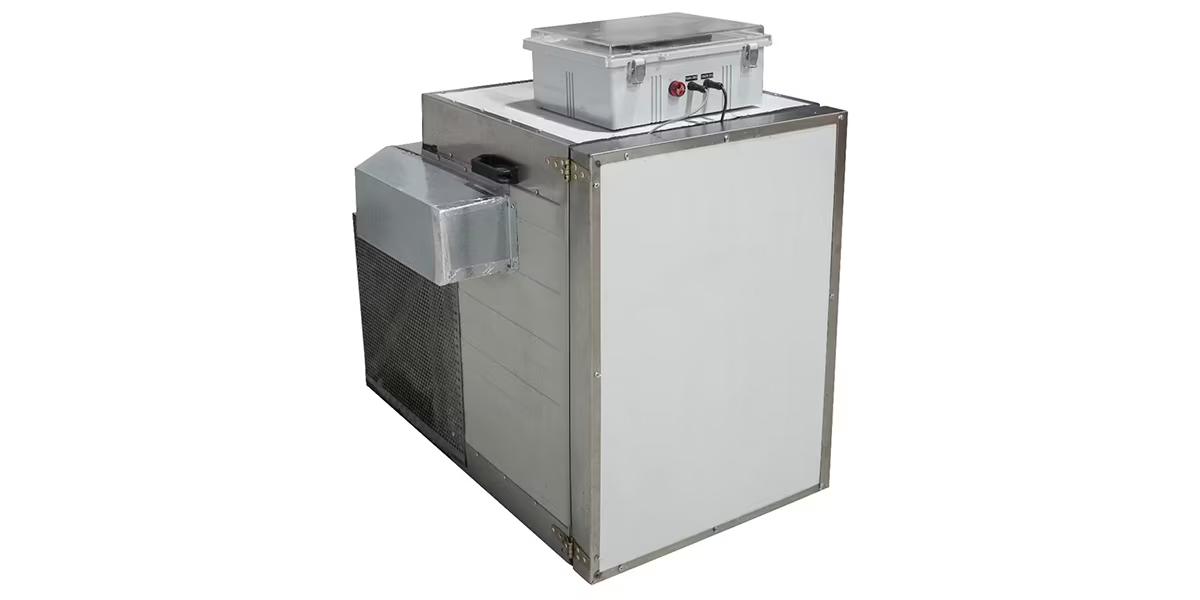
Manufacturers use UV Test Cabinets to test their materials because these devices duplicate sunlight and weather conditions which normally take years to develop. The device operates as a testing tool which duplicates sunlight and weather conditions to test material durability within short periods of time.
The machine operates by producing ultraviolet light and heat and humidity to test material aging effects.
Ballast Co develops high-quality testing equipment through its production of UV Test Cabinets which help engineers analyze material degradation and color changes and coating performance under laboratory-controlled conditions.
What Purpose Does the Test Serve?
The test evaluates material responses to UV radiation from ultraviolet light and moisture which represent the primary factors that cause outdoor degradation.
The testing equipment reveals three main material degradation indicators which include:
• Paints and plastics experience color degradation.
• Materials develop cracks and become brittle while their surfaces chalk.
• The material surface develops a darker appearance while its reflective properties decrease.
• The material loses its ability to withstand mechanical stress.
The PV industry requires UV testing because module surfaces and backsheets and adhesives need to survive prolonged sunlight exposure.
Step-by-Step: What Happens During the Test?
The setup: The testing chamber contains a holder which supports samples made from coatings and plastics and glass and PV materials.
The UV exposure: The device uses UVA-340 or UVB-313 fluorescent UV lamps to generate ultraviolet light which represents the most damaging solar spectrum component.
The humidity and condensation: The machine produces water droplets on the test samples after exposure to create conditions that mimic outdoor dew and moisture.
The testing process runs through multiple cycles of light exposure and humidity simulation to achieve natural weathering effects.
The cycle: The test protocol includes 8 hours of UV exposure at 60 °C followed by 4 hours of condensation at 50 °C which follows the testing procedures outlined in ASTM G154 and ISO 4892-3.
The evaluation:
The inspection of samples occurs after a specific time period to check for any visible or structural changes that include fading and cracking and gloss reduction.
Test Condition | Example Parameter |
Light source | Fluorescent UV lamps (UVA-340 / UVB-313) |
Temperature range | Up to 80 °C |
Condensation temperature | Around 50 °C |
Typical cycle | 8 h UV + 4 h condensation |
Standards | ASTM G154 / ISO 4892-3 |
Applications | Plastics, coatings, PV materials, paints, rubber, textiles |
What Makes the Machine Special?
Users can create custom test schedules through programmable parameters which control UV strength and duration and humidity exposure periods.
The system maintains exact temperature and moisture levels to generate consistent test results.
The system delivers uniform UV radiation to all test samples through its designed light distribution pattern.
The stainless-steel chamber maintains its durability through corrosion resistance which extends its operational lifespan.
The system includes automated safety features and user-friendly controls and timers for shutdown protection during overheating events.
How It Affects the Products?
The testing process reveals essential information about how products will perform when exposed to outdoor conditions.
A material that succeeds in the test will demonstrate two essential characteristics.
The material shows resistance to sunlight-caused color changes and maintains its structural integrity and does not experience cracking or peeling or strength loss.
The product shows suitable performance for outdoor and solar-related applications.The testing process of outdoor paints and automotive components and solar panels through UV Test Cabinets ensures their continued performance after multiple years of sun and weather exposure.
The UV Test Cabinet operates as a controlled environment which duplicates outdoor sunlight and weather conditions.
The testing process accelerates material aging to help engineers understand how materials will react when exposed to sunlight and heat and humidity for extended periods.
Frequently Asked Questions (FAQ)
Q1: What does “UV” mean?
The abbreviation UV represents Ultraviolet radiation which sunlight produces to cause material deterioration and color deterioration.
Q2: What standards are used for UV testing?
The two main standards for UV testing include ASTM G154 and ISO 4892-3 which specify testing protocols and equipment settings.
Q3: Can it test solar panels?
The testing of solar panels through UV chambers occurs in PV testing environments to evaluate module materials and encapsulants according to IEC 61215 standards, if it fit in the machine.
Q4: How long does the test last?
The test duration depends on the testing goals which can range from several days to multiple weeks to achieve simulated outdoor exposure of multiple years.
Q5: What materials can be tested?
The testing process accepts various materials including plastics and paints and coatings and rubbers and adhesives and PV backsheets and sensor housing materials.