How Can Product Reliability Be Improved?
Published:
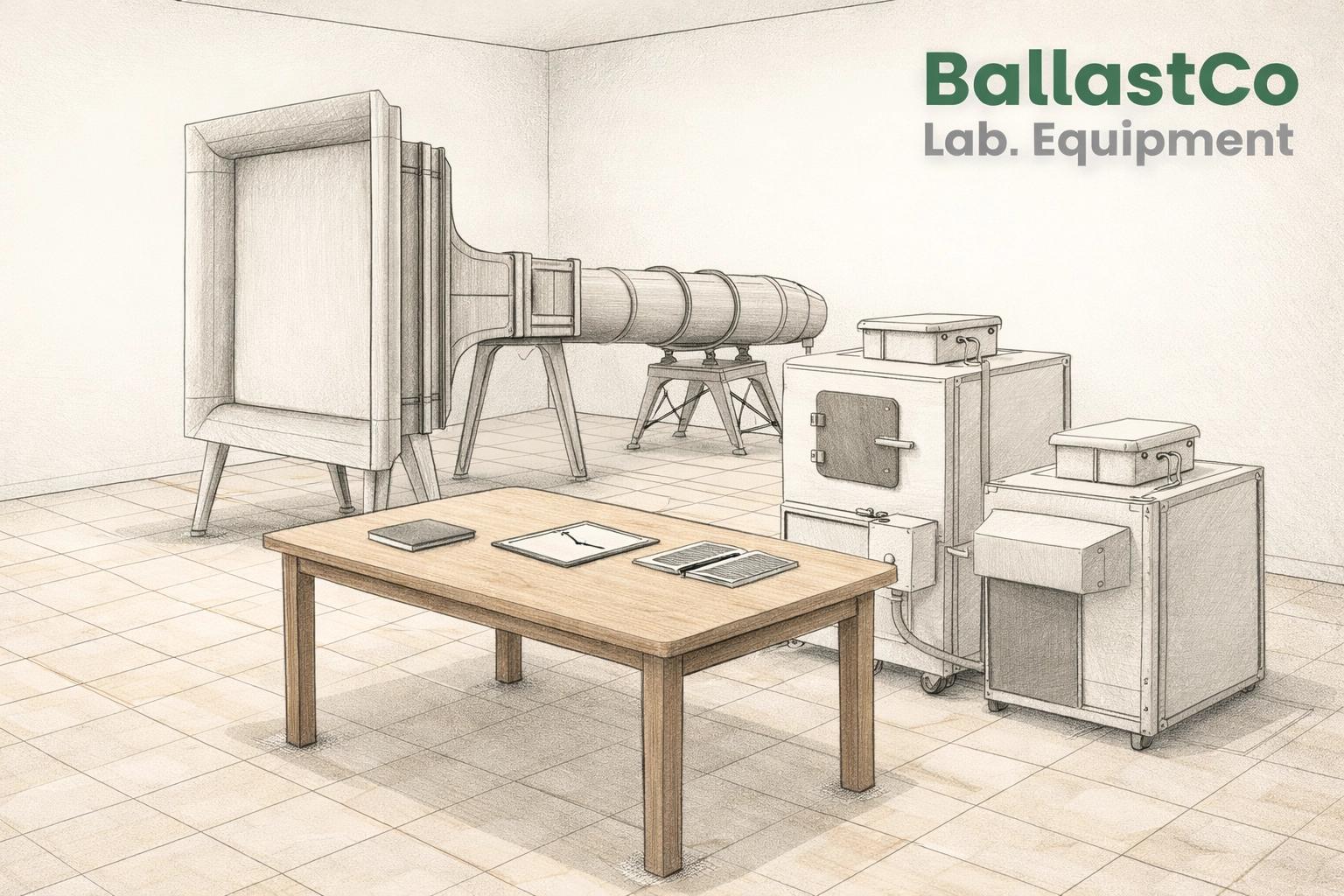
For manufacturing companies today, simply developing products is not enough. It is far more important for products to be durable, reliable, and compliant with standards. Especially in industries such as meteorological sensors and electronics, product reliability directly impacts customer satisfaction. In this context, test and measurement systems are used to analyze whether products can withstand real-world usage conditions. Through proper testing processes, companies can identify product defects early on (during R&D and testing phases) and thereby improve quality.
What Are Test and Measurement Systems?
Test and measurement systems are used to measure a product’s performance, durability, and reliability. These systems can consist of hardware and/or software solutions. Thanks to these systems, products are tested under various environmental and mechanical conditions before being released to the market.
Test and measurement systems are typically used in the following areas:
- Product durability testing
- Quality control processes
- R&D activities
- Certification testing
- Product development processes
These systems allow manufacturers to analyze in advance how a product will perform under real-world usage conditions.
How Do Test and Measurement Systems Improve Product Reliability?
1. Early Fault Detection
Test systems enable the early detection of faults that may arise during the product design phase.
For example:
- material defects
- design issues
- manufacturing defects
can be identified through testing processes before the product reaches the market. This allows manufacturers to avoid significant costs.
2. Simulation of Real-World Environmental Conditions
Modern testing systems can simulate the environmental conditions products may encounter in a laboratory setting.
These tests include:
- temperature and humidity tests
- UV resistance tests
- water resistance tests
- wind and aerodynamic tests
Such tests are critical for analyzing a product’s long-term performance.
3. Compliance with International Standards
Many industries require compliance with specific testing standards.
For example:
- IP protection ratings
- IEC testing standards
Testing and measurement systems enable verification of a product’s compliance with these standards.
4. Strengthening the Quality Control Process
Tests conducted during production processes are the most important component of quality control.
Through testing systems:
- production defects are detected
- product performance is measured
- quality standards are maintained in mass production
These processes are particularly important in sectors requiring high precision, such as meteorology.
What Systems Are Used in Modern Test Laboratories?
Wind Tunnel Systems
For example, Ballastco wind tunnels are used to test the aerodynamic performance of products. They are particularly popular for precise measurements in the fields of meteorological sensors and electronics.
IP Water Ingress Test Equipment
For example, Ballastco IP test systems are used to measure a product’s resistance to water and dust. This is a critical test for all devices with a high IP rating.
UV Test Cabine
For example, Ballastco UV test cabine analyze the resistance of materials to sunlight. These tests are particularly important for all products used in outdoor environments. The effects of UV exposure that would be observed over a long period outdoors can be determined in just a few days through these tests. These tests are also referred to as aging tests.
Competition is fierce in today’s manufacturing world. In this environment, one of the most important ways to stand out is by offering reliable products. Thanks to testing and measurement systems, products are tested in environments that closely mimic real-world conditions. This allows defects to be identified at an early stage and improves product quality. Wind tunnels, IP water resistance test systems, UV test chambers, and climate chambers play a significant role in this process. These systems help measure a product’s durability. They also demonstrate how reliable the product is.
Companies with the right testing infrastructure produce higher-quality products. Additionally, they gain customer trust and achieve long-term success. If you’d like to establish the right testing infrastructure, you can contact BallastCo.
Frequently Asked Questions
1. What are environmental tests?
Environmental tests are tests conducted to measure a product’s durability under various environmental conditions. Factors such as temperature, humidity, UV radiation, water resistance, and corrosion are included in these tests.
2. Which tests are used to measure product durability?
To measure product durability, temperature testing, humidity testing, UV aging testing, vibration testing, impact testing, water resistance testing, and mechanical strength testing can be applied. The type of test will vary depending on the product’s intended use.
3. Do testing and measurement systems reduce costs?
Yes. By conducting the right tests early on, design and manufacturing defects can be identified in advance. This can significantly reduce costs associated with warranties, service, returns, and product recalls.
4. What should be considered when purchasing laboratory test systems?
Criteria such as compliance with applicable standards, measurement accuracy, reporting infrastructure, technical support, and test capabilities suitable for the product’s intended use should be considered.